Biotech, beyond the specialists
A real framework turns biology into a developer tool. If you can write Python, you can compose and run models, so far more people can build.
Biosimulant is an open source framework for humans and agents to build, compose and run any biomodel, from Boltz, DiffDock, and SBML pathways to your own custom dynamics.
Open source, MIT licensedDocs (opens in a new tab)GitHub (opens in a new tab)PyPI (opens in a new tab)
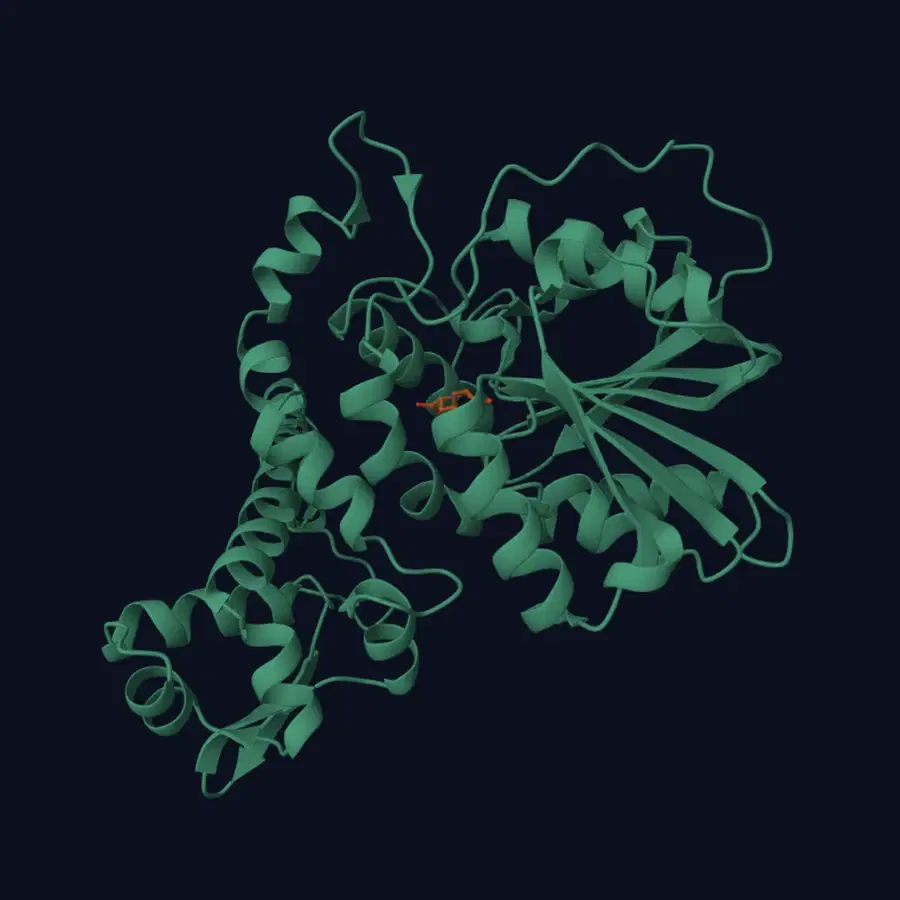 predicted_structure · mmCIF
There are decades of SBML pathways, CellML cells and NeuroML neurons, and AI models like Boltz-2 and DiffDock are arriving too. Getting any two of them to run together still means writing custom code for that one connection, so only specialists do it, and every team throws the glue away when the project ends.
Our goal is to simulate biology. All of it, eventually, which isn't something any one company can do. We're building the shared, open layer that lets anyone compose, run and share biology simulations as easily as writing code. Do the work once, in the open, and the results start adding up.
A real framework turns biology into a developer tool. If you can write Python, you can compose and run models, so far more people can build.
As coding agents take over more of the code layer, they need one consistent interface to build against. A shared contract across every standard lets agents compose and run biomodels they've never seen, without learning each format's quirks.
Understand the idea, see what a run produces, and choose how you want to start.
A biology model is a runnable description of part of a living system, from a cell growing to a protein binding. It helps scientists test ideas and compare outcomes in systems that are difficult to study directly.
It is the free, MIT-licensed engine that runs Biosimulant labs. It executes models, passes results between connected models, and preserves the inputs, settings, and provenance behind each run. Use it through Studio, Python, or the CLI on a laptop, in CI, or across a cluster, without an account or lock-in.
Start with a runnable lab for problems such as microbial growth, protein-ligand binding, candidate ranking, or pathway dynamics. Change its biological inputs, run it again, and inspect results such as curves, ranked tables, predicted structures, and confidence measures.
No. Use Hub to discover published labs and Studio to run or adapt them visually. Python and the CLI are available when you want to build new models, combine existing ones, automate runs, or integrate Biosimulant into a larger workflow.